

Managing Diabetes in the Rio Grande Valley: What You Need to Know
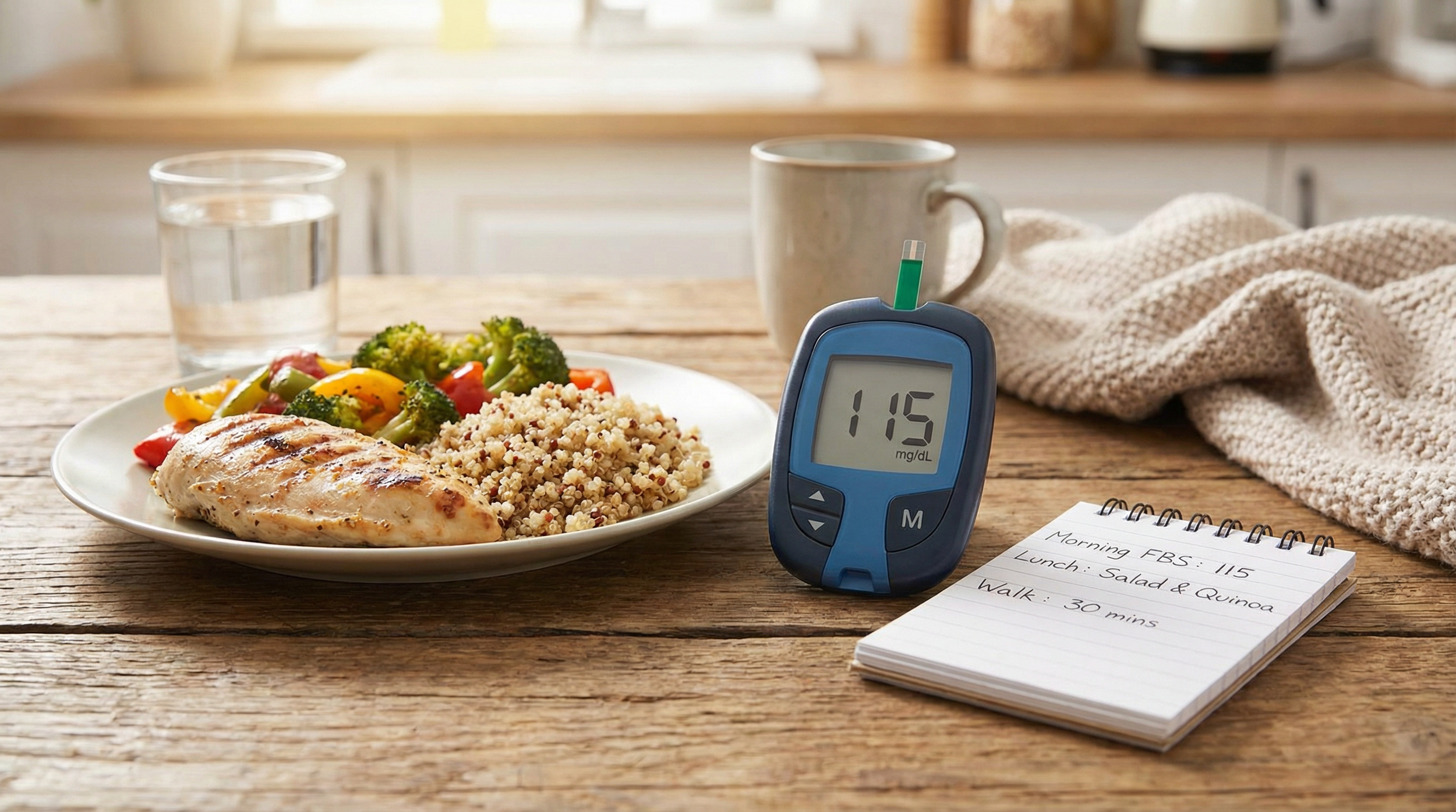
Diabetes is one of the most pressing health concerns in the Rio Grande Valley, affecting our families, our neighbors, and our entire community at rates far exceeding national averages. If you or a loved one has been diagnosed with diabetes, or if you are at risk, finding a qualified diabetic doctor near me in McAllen is one of the most important steps you can take to protect your health and quality of life.
The good news is that diabetes, while a serious chronic condition, is highly manageable with the right medical care, lifestyle modifications, and patient education. In this comprehensive guide, we will explore everything you need to know about diabetes management in the Rio Grande Valley, from understanding the alarming local statistics to learning about A1C targets, preventing complications, and building a partnership with a diabetes care team that understands your unique needs.
The Diabetes Crisis in the Rio Grande Valley
The Rio Grande Valley faces a diabetes epidemic that demands urgent attention. Understanding the scope of this crisis is the first step toward taking control of your health.
Alarming Local Statistics
According to a 2024 study published in the journal Cureus, diabetes mellitus affects a staggering 43.95% of Medicare beneficiaries in the Rio Grande Valley, more than two and a half times the national rate of 17.22% among the same population. This represents a significant increase from previous years, indicating that diabetes is a worsening issue in our region.
| Population | Diabetes Prevalence |
|---|---|
| Rio Grande Valley (Medicare beneficiaries) | 43.95% |
| United States (Medicare beneficiaries) | 17.22% |
| RGV (2007-2013 study) | 30.7% |
Additional data from the University of Texas Rio Grande Valley reveals that approximately 60% of Mexican-American adult residents in the Valley are obese, and 85% are classified as overweight, both significant risk factors for developing type 2 diabetes.
Why Is Diabetes So Common Here?
Several interconnected factors contribute to the extraordinarily high rates of diabetes in the Rio Grande Valley:
Genetic Predisposition: Hispanic and Latino populations have a higher genetic susceptibility to type 2 diabetes compared to non-Hispanic white populations. This biological factor, combined with environmental influences, creates a "perfect storm" for diabetes development.
Limited Access to Healthcare: The RGV has a patient-to-primary care physician ratio of 2,152:1, compared to the Texas state average of 1,660:1. This shortage makes it harder for residents to access preventive care and early diabetes detection.
Food Environment Challenges: The Food Environment Index in the RGV is 4.3, significantly lower than the Texas average of 5.7. This indicates reduced access to affordable, healthy food options and a higher prevalence of food deserts.
Lower Physical Activity Rates: Limited access to safe exercise facilities and parks, combined with hot weather and economic barriers, contributes to higher rates of physical inactivity in our community.
Socioeconomic Factors: Higher rates of uninsurance, lower median incomes, and limited health education opportunities all play a role in the diabetes epidemic.
Understanding these factors is not about placing blame, it is about recognizing that managing diabetes in the RGV requires a culturally aware, community-centered approach.
Understanding Diabetes: Types and Risk Factors
Types of Diabetes
Type 2 Diabetes is by far the most common form, accounting for 90-95% of all diabetes cases. In type 2 diabetes, your body either does not produce enough insulin or does not use insulin effectively (insulin resistance). This is the predominant form of diabetes in the Rio Grande Valley.
Type 1 Diabetes is an autoimmune condition in which the body's immune system attacks insulin-producing cells in the pancreas. It typically develops in childhood or adolescence and requires lifelong insulin therapy.
Prediabetes is a condition in which blood sugar levels are higher than normal but not yet high enough to be classified as type 2 diabetes. According to the CDC, more than 1 in 3 American adults have prediabetes, and most do not know it. Without intervention, prediabetes often progresses to type 2 diabetes within 5-10 years.
Gestational Diabetes develops during pregnancy and usually resolves after delivery. However, women who have had gestational diabetes have a significantly increased risk of developing type 2 diabetes later in life.
Risk Factors for Type 2 Diabetes
Understanding your personal risk factors can help you and your doctor develop an appropriate prevention or management strategy:
| Risk Factor | Details |
|---|---|
| Family history | Having a parent or sibling with type 2 diabetes increases your risk |
| Hispanic/Latino ethnicity | Higher genetic predisposition compared to non-Hispanic whites |
| Overweight or obesity | Especially excess weight around the abdomen |
| Age 45 or older | Risk increases with age, though diabetes is occurring in younger adults |
| Physical inactivity | Sedentary lifestyle increases insulin resistance |
| History of gestational diabetes | Previous GDM increases future T2DM risk |
| Polycystic ovary syndrome (PCOS) | PCOS is associated with insulin resistance |
| High blood pressure | Hypertension often occurs alongside diabetes |
| Abnormal cholesterol levels | Low HDL or high triglycerides increase risk |
| History of heart disease or stroke | Cardiovascular disease and diabetes share risk factors |
Understanding Blood Sugar and A1C Testing
One of the most important aspects of diabetes management is monitoring your blood sugar levels. This includes both daily home monitoring and periodic laboratory testing.
What Is A1C?
A1C (also called hemoglobin A1C or HbA1c) is a blood test that measures your average blood sugar levels over the past 2-3 months. Unlike daily blood sugar checks, which show your glucose level at a single moment, A1C provides a "big picture" view of your overall blood sugar control.
The A1C test works by measuring the percentage of hemoglobin (a protein in red blood cells) that has glucose attached to it. The higher your blood sugar levels have been, the more glucose will be attached to your hemoglobin.
A1C Targets According to the American Diabetes Association
The American Diabetes Association (ADA) 2025 Standards of Care provides the following glycemic targets:
| Category | A1C Target | Notes |
|---|---|---|
| Most nonpregnant adults with diabetes | Less than 7.0% | General target for most patients |
| Healthy older adults (few comorbidities) | 7.0-7.5% | Can aim for standard target if safe |
| Adults with complex health conditions | Less than 8.0% | Less stringent to avoid hypoglycemia |
| Older adults with limited life expectancy | Individualized | Focus on symptom management, avoid hypoglycemia |
| Pregnancy (preexisting diabetes) | Less than 6.5% | If achievable without significant hypoglycemia |
Important: A1C targets should be individualized based on your personal health status, risk of hypoglycemia (low blood sugar), life expectancy, and other factors. Your doctor will work with you to determine the right target for your situation.
Daily Blood Sugar Targets
In addition to A1C, the ADA recommends the following daily blood glucose targets for most nonpregnant adults with diabetes:
| Timing | Blood Glucose Target |
|---|---|
| Before meals (fasting) | 80-130 mg/dL |
| 1-2 hours after starting a meal | Less than 180 mg/dL |
How Often Should A1C Be Tested?
According to the ADA, A1C testing should be performed:
- At initial diagnosis
- At least twice per year for patients meeting treatment goals with stable blood glucose
- Every 3 months for patients who are not meeting goals, have changed treatment, or have unstable glucose levels
Comprehensive Diabetes Management: What It Includes
Effective diabetes management is not just about taking medication, it requires a comprehensive approach that addresses multiple aspects of your health and lifestyle.
Components of a Complete Diabetes Management Plan
| Component | What It Involves | Why It Matters |
|---|---|---|
| Blood sugar monitoring | Regular A1C tests, home glucose checks, and possibly continuous glucose monitoring (CGM) | Tracks how well your treatment is working and identifies patterns |
| Medication management | Oral medications, injectable medications (insulin, GLP-1 agonists), and proper dosing | Controls blood sugar when lifestyle changes alone are not sufficient |
| Nutrition therapy | Personalized meal planning, carbohydrate counting, and dietary education | Food directly impacts blood sugar; healthy eating is foundational |
| Physical activity | Individualized exercise recommendations appropriate for your fitness level | Improves insulin sensitivity and helps control weight |
| Foot care | Daily self-exams, professional foot exams, proper footwear | Prevents diabetic foot ulcers and amputations |
| Eye care | Annual dilated eye exams with an ophthalmologist or optometrist | Detects diabetic retinopathy early, when it is most treatable |
| Kidney monitoring | Annual urine albumin testing and kidney function tests | Detects diabetic nephropathy early to slow progression |
| Cardiovascular risk management | Blood pressure control, cholesterol management, smoking cessation | Reduces risk of heart attack and stroke, major causes of death in diabetes |
| Mental health support | Screening for diabetes distress, depression, and anxiety | Emotional well-being directly affects self-care and blood sugar control |
| Immunizations | Flu vaccine annually, pneumonia vaccine, hepatitis B vaccine, COVID-19 boosters | People with diabetes are at higher risk for severe infections |
Preventing Diabetes Complications
Diabetes, when not well controlled, can lead to serious complications affecting multiple organ systems. The good news is that these complications are largely preventable with proper management.
Microvascular Complications (Small Blood Vessels)
Diabetic Retinopathy (Eye Disease)
Diabetic retinopathy is the leading cause of blindness among adults aged 20-74 in developed countries. High blood sugar damages the tiny blood vessels in the retina, leading to vision problems and potentially blindness.
- Prevention: Maintain A1C below target, control blood pressure, get annual dilated eye exams
- Prevalence: Approximately 50% of people with diabetes have some degree of retinopathy
Diabetic Nephropathy (Kidney Disease)
High blood sugar and high blood pressure damage the kidneys over time, potentially leading to kidney failure requiring dialysis or transplant.
- Prevention: Keep A1C and blood pressure at target, take ACE inhibitors or ARBs if prescribed, get annual kidney function tests
- Prevalence: Affects 15-40% of people with type 1 diabetes and 5-20% of people with type 2 diabetes
Diabetic Neuropathy (Nerve Damage)
High blood sugar damages nerves throughout the body, most commonly in the legs and feet. This can cause numbness, tingling, pain, and loss of sensation.
- Prevention: Maintain good blood sugar control, inspect feet daily, wear proper footwear
- Prevalence: Affects approximately 50-60% of people with diabetes
Macrovascular Complications (Large Blood Vessels)
Heart Disease and Stroke
People with diabetes are 2-4 times more likely to have heart disease or stroke compared to people without diabetes. Cardiovascular disease is the leading cause of death among people with diabetes.
- Prevention: Control blood sugar, blood pressure, and cholesterol; do not smoke; stay physically active; take aspirin if recommended
The Power of Prevention
Research has consistently shown that intensive diabetes management significantly reduces the risk of complications:
- The landmark DCCT/EDIC study demonstrated that intensive glucose control reduced the risk of retinopathy by 76%, nephropathy by 50%, and neuropathy by 60% in type 1 diabetes
- Similar benefits have been demonstrated for type 2 diabetes in multiple large clinical trials

Diabetes Medications: Understanding Your Options
If lifestyle changes alone are not enough to control your blood sugar, your doctor may recommend medications. There are many different classes of diabetes medications, each working in different ways.
Common Diabetes Medication Classes
| Medication Class | How It Works | Examples | Notes |
|---|---|---|---|
| Metformin | Reduces glucose production by liver, improves insulin sensitivity | Glucophage, Glumetza | Usually first-line treatment; well-established safety profile |
| Sulfonylureas | Stimulates pancreas to produce more insulin | Glipizide, Glyburide, Glimepiride | Risk of low blood sugar; may cause weight gain |
| GLP-1 Receptor Agonists | Increases insulin, decreases glucagon, slows digestion, reduces appetite | Ozempic, Trulicity, Mounjaro, Rybelsus | Also promotes weight loss; cardiovascular benefits |
| SGLT2 Inhibitors | Causes kidneys to excrete excess glucose in urine | Jardiance, Farxiga, Invokana | Promotes weight loss; heart and kidney benefits |
| DPP-4 Inhibitors | Increases insulin and decreases glucagon after meals | Januvia, Tradjenta, Onglyza | Weight neutral; well-tolerated |
| Thiazolidinediones (TZDs) | Improves insulin sensitivity in muscle and fat | Pioglitazone, Rosiglitazone | May cause fluid retention and weight gain |
| Insulin | Replaces or supplements natural insulin | Many types (rapid, short, intermediate, long-acting) | Required for type 1; often needed in advanced type 2 |
GLP-1 Medications: A Game-Changer for Diabetes and Weight
GLP-1 receptor agonists have become increasingly important in diabetes management because they offer multiple benefits:
- Effective blood sugar control
- Significant weight loss (which also improves blood sugar)
- Cardiovascular protection (reduced risk of heart attack, stroke, and cardiovascular death)
- Low risk of causing hypoglycemia when used alone
These medications, including semaglutide (Ozempic, Rybelsus) and tirzepatide (Mounjaro), are particularly valuable for patients in the Rio Grande Valley who have both diabetes and obesity.
Nutrition for Diabetes: Eating Well in the Rio Grande Valley
Diet plays a central role in diabetes management. The goal is not to eliminate all your favorite foods but to make informed choices that help keep your blood sugar stable.
Key Nutrition Principles for Diabetes
Carbohydrate Awareness: Carbohydrates have the biggest impact on blood sugar. Learning to count carbs and distribute them evenly throughout the day can significantly improve glucose control.
Fiber is Your Friend: High-fiber foods (vegetables, beans, whole grains) slow the absorption of glucose and help maintain steady blood sugar levels.
Choose Healthy Fats: Replace saturated and trans fats with healthier options like olive oil, avocados, and nuts.
Watch Portion Sizes: Even healthy foods can raise blood sugar if eaten in large quantities.
Limit Sugary Beverages: Sodas, sweetened tea, and fruit juices cause rapid blood sugar spikes. Choose water, unsweetened tea, or diet beverages.
Adapting Traditional Foods
Many traditional Rio Grande Valley foods can be part of a healthy diabetes diet with some modifications:
| Traditional Food | Diabetes-Friendly Modification |
|---|---|
| Flour tortillas | Choose whole wheat or low-carb tortillas; limit to 1-2 per meal |
| Beans (frijoles) | Excellent choice! High in fiber and protein; watch portions of refried beans with lard |
| Rice | Choose brown rice or cauliflower rice; limit portions |
| Carne asada | Good protein choice; trim visible fat; pair with vegetables |
| Tamales | Enjoy occasionally in moderation; be aware of carb content |
| Aguas frescas | Make with less sugar or sugar substitutes |
Step-by-Step Guide: Managing Your Diabetes Daily
Successful diabetes management requires consistent daily habits. Here is a practical guide:
Morning Routine
- Check your blood sugar (if recommended by your doctor)
- Take your morning medications with breakfast
- Eat a balanced breakfast with protein, fiber, and controlled carbohydrates
- Inspect your feet for cuts, blisters, or redness
Throughout the Day
- Eat regular meals at consistent times
- Stay hydrated with water or unsweetened beverages
- Take any midday medications as prescribed
- Get physical activity, aim for at least 30 minutes on most days
- Check blood sugar before and/or after meals if monitoring
Evening Routine
- Take evening medications as prescribed
- Check blood sugar if indicated
- Prepare healthy foods for the next day
- Keep a log of your blood sugar readings, meals, and any symptoms
Weekly and Monthly Tasks
- Review your blood sugar log with your doctor or care team
- Refill medications before running out
- Schedule upcoming appointments and lab work
- Check your feet thoroughly for any changes
Frequently Asked Questions About Diabetes Care
1. What is the difference between type 1 and type 2 diabetes?
Type 1 diabetes is an autoimmune condition where the body cannot produce insulin; it typically develops in childhood and requires insulin for life. Type 2 diabetes involves insulin resistance and inadequate insulin production; it is far more common, usually develops in adulthood (though increasingly seen in younger people), and can often be managed with lifestyle changes and oral medications initially.
2. Can diabetes be reversed or cured?
Type 1 diabetes cannot currently be cured. Type 2 diabetes cannot be "cured" in the traditional sense, but it can often go into remission with significant weight loss, dietary changes, and exercise. Even in remission, the underlying tendency toward diabetes remains, so ongoing monitoring is important.
3. How often should I check my blood sugar at home?
This depends on your treatment plan. If you take insulin, you may need to check multiple times daily. If you manage diabetes with oral medications or lifestyle alone, less frequent monitoring may be sufficient. Your doctor will recommend a schedule based on your individual situation.
4. What should I do if my blood sugar is too high or too low?
If too high (hyperglycemia): Drink water, take your medication if due, check for ketones if type 1 or very high readings, contact your doctor if persistently elevated. If too low (hypoglycemia, below 70 mg/dL): Follow the "15-15 rule," consume 15 grams of fast-acting carbohydrate (glucose tablets, juice, regular soda), wait 15 minutes, recheck, and repeat if still low.
5. Will I have to take insulin?
Not necessarily. Many people with type 2 diabetes manage their condition with lifestyle changes and oral medications. However, type 2 diabetes is progressive, and some people eventually need insulin to maintain good control. This is not a failure, it is a natural progression of the disease.
6. Does diabetes mean I can never eat sugar again?
No. People with diabetes can eat sugar in moderation as part of a balanced diet. The key is portion control, carbohydrate awareness, and not making sugary foods a large part of your diet. Work with your healthcare team to develop an eating plan that includes occasional treats.
7. How does diabetes affect my feet?
Diabetes can damage nerves (causing numbness) and reduce blood flow to your feet. This means you may not feel injuries, and wounds may heal slowly. Without proper care, small problems can become serious infections that may lead to amputation. Daily foot inspection is essential.
8. Can I prevent diabetes complications?
Yes! Research consistently shows that maintaining good blood sugar control, blood pressure control, and cholesterol management significantly reduces the risk of developing diabetes complications. Regular screening allows early detection and treatment.
9. Why do I need to see an eye doctor if I have diabetes?
Diabetic retinopathy can damage your vision without any symptoms in the early stages. By the time you notice vision changes, significant damage may have occurred. Annual dilated eye exams allow your eye doctor to detect problems early, when treatment is most effective.
10. Is there help paying for diabetes medications and supplies?
Yes. Many pharmaceutical companies offer patient assistance programs for those who qualify. Medicare and Medicaid cover diabetes care. Additionally, community health centers and diabetes programs may offer reduced-cost care. Ask our office staff about resources available in the Rio Grande Valley.
Finding the Right Diabetic Doctor in McAllen, TX
When searching for a diabetic doctor near me in McAllen, look for:
- Experience with diabetes management, ask about their approach to treating diabetes
- Comprehensive care, the clinic should offer or coordinate all aspects of diabetes care
- Bilingual capabilities, clear communication in your preferred language is essential
- Availability, can you get appointments when needed, including for urgent concerns?
- Insurance acceptance, ensure the clinic accepts your health plan
- Collaborative approach, the best diabetes care involves you as an active partner
Why Choose Giraldo Internal Medicine for Diabetes Care in the Rio Grande Valley?
At Giraldo Internal Medicine, we understand the unique challenges that diabetes presents in our community. Our comprehensive diabetes management program includes:
- Experienced physician specializing in internal medicine and chronic disease management
- Complete metabolic evaluation including A1C, lipid panel, kidney function, and more
- Access to the latest medications including GLP-1 agonists and SGLT2 inhibitors
- Culturally sensitive nutrition guidance that works with traditional foods
- Bilingual staff providing compassionate care in English and Spanish
- Coordination with specialists for eye exams, podiatry, and cardiology as needed
- Acceptance of Medicare, Medicaid, and most insurance plans
- Ongoing monitoring and support to help you achieve your health goals
We believe that every person with diabetes deserves comprehensive, high-quality care delivered with compassion and respect. Our goal is to partner with you to manage your diabetes effectively and help you live your healthiest life.
Take Control of Your Diabetes Today
Living with diabetes requires ongoing attention, but it does not have to control your life. With the right medical team, education, and support, you can manage your blood sugar, prevent complications, and enjoy a full, active life.
If you are looking for a diabetic doctor near me in McAllen, TX, Giraldo Internal Medicine is here to help.
Schedule your diabetes consultation today:
- Phone: (956) 000-0000
- Address: 1200 Savannah Ave STE 14, McAllen, TX 78503
- Website: giraldointernalmedicine.com
Take the first step toward better diabetes control, your health is worth it.
References and Resources
- American Diabetes Association: Standards of Care in Diabetes, 2025
- Cureus (2024): Burden of Diabetes Mellitus in the Medically Underserved Rio Grande Valley
- University of Texas Rio Grande Valley: South Texas Diabetes and Obesity Institute
- CDC National Diabetes Statistics
- Texas Tribune: Health initiatives in the Rio Grande Valley (2025)
